
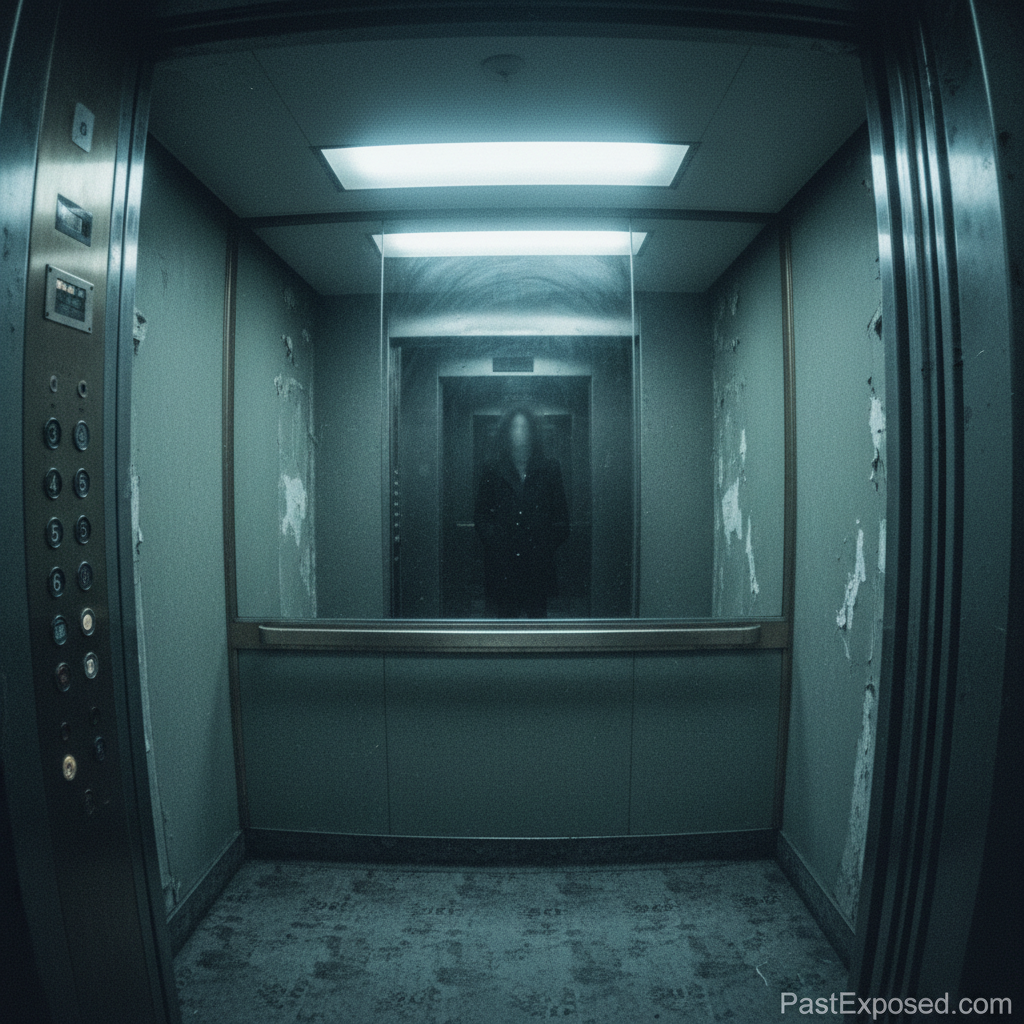
On February 19, 2013, a maintenance worker at the Cecil Hotel in Los Angeles made a gruesome discovery on the building’s rooftop. Inside one of the hotel’s water tanks, 21-year-old Canadian tourist Elisa Lam’s body floated in the water that guests had been drinking, bathing in, and complaining about for nearly three weeks. But it wasn’t the tragedy itself that would captivate millions—it was the surveillance footage. Four minutes of elevator security camera video showing Elisa’s bizarre final movements would become one of the internet’s most analyzed and disturbing mysteries.
The Cecil Hotel: A Building With a Dark Past
To understand the Elisa Lam case, you must first understand the Cecil Hotel. Built in 1924 in downtown Los Angeles’s Skid Row district, the Cecil was once a beautiful art deco landmark. But over the decades, it descended into notoriety as a magnet for tragedy, violence, and death.
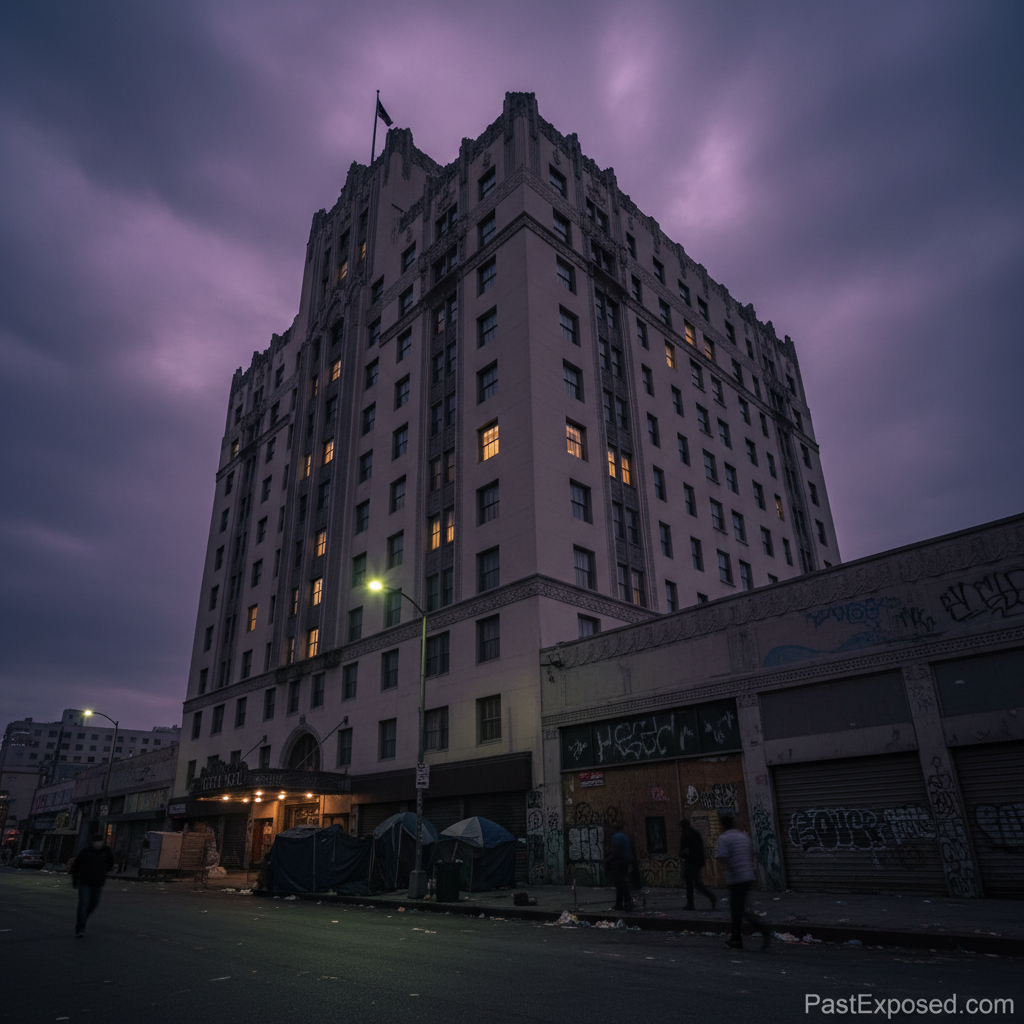
The hotel’s grim resume includes:
- Serial killers as guests: In the 1980s and 1990s, both Richard Ramirez (the “Night Stalker”) and Jack Unterweger (an Austrian serial killer) stayed at the Cecil while hunting victims
- Countless suicides: So many people jumped from the Cecil’s windows that it earned the nickname “The Suicide Hotel”
- Murders: Multiple killings occurred within its walls, including the unsolved 1964 murder of “Pigeon Goldie” Osgood, a retired telephone operator stabbed and raped in her room
- A revolving door of tragedy: Overdoses, violent deaths, and disappearances plagued the building for decades
By 2013, the Cecil had rebranded part of its building as the “Stay on Main” hostel, attempting to attract budget travelers and tourists. Elisa Lam checked in on January 26, 2013, alone on a West Coast tour.
A Bright Student on a Solo Adventure
Elisa Lam was a 21-year-old student at the University of British Columbia in Vancouver. She was studying at the time and had a passion for fashion, writing, and travel. Those who knew her described her as bright, friendly, and creative. She maintained an active Tumblr blog where she posted about her struggles with depression and bipolar disorder, but also about her love of life, music, and adventure.
In January 2013, Elisa embarked on a solo trip along the West Coast, visiting San Diego, Los Angeles, and planning to head to Santa Cruz. She was documenting her journey on social media, posting cheerful photos and updates. She was scheduled to check out of the Cecil on January 31, but she never did.
Her parents reported her missing on February 1, 2013. Los Angeles Police Department began an investigation, searching the hotel and surrounding area. They found her belongings still in her room, but no sign of Elisa.
The Elevator Video: Four Minutes of Horror
On February 14, Valentine’s Day, police released surveillance footage from inside one of the Cecil’s elevators, hoping someone might recognize Elisa or provide information about her disappearance. The video, timestamped at around 11:00 PM on January 31 (though some sources say February 1), would become one of the most watched and discussed pieces of footage in modern true crime history.
The four-minute clip shows Elisa entering the elevator. What happens next defies easy explanation:
0:00-0:30: Elisa enters the elevator and presses multiple floor buttons. She stands in the corner, waiting. The elevator doors don’t close.
0:30-1:00: She steps to the edge of the elevator and peers out into the hallway, looking left and right nervously. She steps back inside.
1:00-2:00: Elisa moves in and out of the elevator repeatedly, pressing buttons, peering out, stepping back. Her movements become more agitated. She appears to be checking if someone is in the hallway.
2:00-3:00: In the most disturbing segment, Elisa steps fully out of the elevator and begins making strange hand gestures. She moves her hands and arms in bizarre, unnatural ways—almost like she’s communicating with someone or something unseen. Her fingers contort. She appears to be talking or whispering.
3:00-4:00: Elisa steps back into the elevator briefly, then exits again. She walks out of frame. The elevator doors finally close. The elevator begins operating normally, stopping at various floors as if responding to the buttons Elisa had pressed minutes earlier.
Viewers worldwide were horrified and fascinated. The video seemed to show someone in genuine distress, possibly running from something or someone, or experiencing a mental health crisis. But many felt there was something more—something inexplicable about her movements and the elevator’s malfunction.
The Water Tank Discovery
On February 19, 2013, after guests complained about low water pressure and strange-tasting water, a maintenance worker went to the roof to check the hotel’s water tanks. The Cecil had four large cisterns, each 8 feet tall and 4 feet in diameter, positioned on a rooftop platform.
When the worker climbed the ladder and peered inside one of the tanks, he saw Elisa Lam’s naked body floating in the water. She had been dead for approximately two weeks, while hotel guests had been using the contaminated water for drinking, bathing, and cooking.
The discovery raised immediate questions: How did Elisa get onto the roof? The roof access was supposedly locked and alarmed. How did she get into the water tank? The tanks were heavy and difficult to open. Why was she found naked? Her clothes and belongings were never recovered from the tank or surrounding area.
The Official Investigation
The Los Angeles County Coroner conducted an autopsy. The toxicology report showed prescription medications in her system consistent with her mental health treatment—she had been prescribed medications for bipolar disorder and depression. But the levels were therapeutic, not toxic.
The official cause of death: accidental drowning. Bipolar disorder was listed as a “significant condition” contributing to her death.
The coroner’s report theorized that Elisa, possibly in a manic or psychotic state, accessed the roof, climbed into the water tank, and was unable to get out. The report noted she may have been experiencing a bipolar episode.
But this official conclusion left many questions unanswered:
- How did she access the roof? Hotel staff insisted the door was locked and would trigger an alarm if opened.
- How did she lift the extremely heavy water tank lid? It required significant strength and would have been nearly impossible for a person her size to maneuver alone.
- Why was she naked? Did she remove her clothes before entering the water, and if so, where are they?
- What was happening in the elevator video? Was she experiencing psychosis, or was something else going on?
- Why did the elevator malfunction in the way it did?
Theories: From the Rational to the Paranormal
Theory 1: Bipolar Episode and Accidental Death
The official explanation holds that Elisa was experiencing a severe bipolar episode, possibly exacerbated by not taking her medications properly. In this state, she could have accessed the roof through an unlocked door (possibly propped open by maintenance or staff), climbed onto the water tank, removed her clothes (behavior sometimes seen in hypothermia or severe mental distress), and accidentally drowned after getting into the tank.
Her behavior in the elevator video could be explained by psychosis, paranoia, or hallucinations. The hand gestures and strange movements might have been her response to hallucinations or delusions. The elevator malfunction could have been coincidental or caused by the buttons Elisa pressed.
This theory aligns with the coroner’s findings and is supported by Elisa’s documented mental health history. However, it requires accepting several coincidences and still doesn’t fully explain the logistics of her getting into the sealed water tank.
Theory 2: Foul Play and Cover-Up
Many skeptics believe Elisa was murdered, and the investigation was either incompetent or deliberately misleading. They point to:
- The difficulty of accessing the roof and water tank alone
- The missing clothing and personal effects
- Her behavior in the elevator suggesting she was hiding from someone
- The hotel’s history and connection to Skid Row’s criminal element
- Witnesses who reported hearing strange noises and screams around the time of her disappearance
Proponents of this theory suggest Elisa was pursued by someone (visible in her elevator behavior), possibly killed elsewhere, and her body was placed in the water tank to dispose of evidence. They question why police didn’t check the water tanks earlier in the investigation.
Theory 3: The Dark Water Connection and Paranormal Activity
Internet sleuths quickly noticed eerie parallels between Elisa’s death and the 2005 horror film “Dark Water” (both the Japanese original and American remake). In the film, a ghost haunts a water tank in a building, and a girl drowns. The film features elevator scenes strikingly similar to the footage of Elisa.
Additionally, there’s a rare medical test called the LAM-ELISA test, which shares her name in reverse. Some have interpreted these coincidences as evidence of supernatural forces or a curse on the Cecil Hotel.
Given the Cecil’s dark history and numerous deaths, paranormal investigators have long considered it one of the most haunted locations in America. Some believe Elisa encountered something supernatural that drove her to the roof and the water tank.
Theory 4: Suicide
While ruled out by the coroner, some have suggested Elisa took her own life. Her Tumblr blog posts revealed struggles with depression, and she had written openly about suicidal thoughts in the past. However, this theory is complicated by the logistics—why would someone choose such a difficult and unusual method of suicide? And why was she naked?
Theory 5: The Elevator Game Urban Legend
An online urban legend called “The Elevator Game” (a Korean ritual said to allow access to another dimension) involves pressing specific elevator buttons in a particular sequence. The ritual instructions match some of Elisa’s button-pressing in the video. Some theorists suggest Elisa was attempting this ritual and somehow disappeared into another dimension or encountered something otherworldly as a result.
This theory is almost entirely speculative but has gained traction in online communities due to the weird correlation between the ritual’s steps and Elisa’s actions.
The Hotel’s Response and Subsequent Events
The Cecil Hotel faced significant backlash and public relations disaster following the discovery. Guests who had been drinking the contaminated water were horrified. Several filed lawsuits against the hotel.
In 2014, Elisa’s parents filed a lawsuit against the Cecil Hotel, alleging negligence for failing to maintain proper safety measures that could have prevented their daughter’s death. The lawsuit was eventually dismissed, with a judge ruling the hotel was not responsible.
The Cecil continued operating, but its reputation was irreparably damaged. In 2017, it was purchased and slated for renovation. As of 2021, the building has been converted into affordable housing and is no longer operating as a hotel.
The Netflix Documentary and Renewed Interest
In February 2021, Netflix released “Crime Scene: The Vanishing at the Cecil Hotel,” a four-part documentary examining Elisa’s death and the hotel’s dark history. The series brought renewed attention to the case and sparked fresh debate about what really happened.
The documentary explored various theories and included interviews with investigators, hotel residents, and internet sleuths who had obsessively analyzed the elevator footage. It also raised important questions about mental health, the exploitation of tragedy for entertainment, and the dangers of amateur online investigation.
Critics noted that while the documentary thoroughly examined the case, it also highlighted how online speculation and conspiracy theories had sometimes overshadowed the human tragedy of a young woman’s death and her family’s grief.
What Really Happened? The Most Likely Explanation
While we may never know with absolute certainty, the most evidence-supported explanation is that Elisa was experiencing a severe bipolar episode, possibly complicated by medication issues or substance use (though toxicology didn’t support the latter).
In a manic or psychotic state, she could have:
- Accessed the roof through an improperly secured door (investigations revealed the alarm system was not always functional)
- Climbed onto the water tank, motivated by paranoia or delusions
- Removed her clothing (a behavior sometimes seen in severe mental health episodes or hypothermia)
- Accidentally fallen or climbed into the tank and been unable to escape
Her behavior in the elevator video—the nervous peering, the strange gestures, the apparent conversation with someone invisible—could all be explained by hallucinations or paranoid delusions consistent with bipolar psychosis.
The elevator malfunction might simply be a coincidence, or it could have been malfunctioning independently of Elisa’s presence (the Cecil was an old building with maintenance issues).
This explanation is tragic but doesn’t require believing in conspiracies or supernatural forces. It’s a reminder of the devastating reality of mental illness and the importance of support systems, especially for people traveling alone.
The Legacy and Lessons
Elisa Lam’s death has become a cautionary tale on multiple levels:
Mental Health Awareness: The case highlights the real dangers of traveling alone with serious mental health conditions, especially without a support system to notice when someone is in crisis.
Hotel Safety: It exposed serious security and safety failures at the Cecil Hotel, including inadequate roof access controls and delayed investigation of the water tanks.
Internet Speculation: The case demonstrated both the power and the danger of online amateur investigation. While internet attention kept the case in the public eye, it also spawned countless theories—some helpful, many exploitative or disrespectful to Elisa’s memory and her family’s grief.
Media Consumption: The ongoing fascination with the elevator video raises questions about how we consume tragedy as entertainment and the ethics of turning someone’s final moments into viral content.
The Unanswered Questions
Despite the official conclusion and the years of analysis, several questions remain genuinely perplexing:
- Why did police not check the water tanks more thoroughly during the initial investigation, especially given guest complaints about water quality?
- What happened to Elisa’s clothes and belongings that weren’t found in the tank?
- Was someone else present in the hallway that day, causing her apparent hiding behavior?
- How did she physically manage to open and close the heavy tank lid?
- What exactly was malfunctioning with the elevator, and was it related to her button pressing or entirely coincidental?
These questions may never be satisfactorily answered. The coroner’s office closed the case as accidental death, and no criminal investigation is ongoing.
The elevator video of Elisa Lam continues to circulate online, analyzed frame by frame by people seeking answers. Some see evidence of the paranormal, others see mental illness, and still others see evidence of a crime that went unpunished. What we know for certain is that a bright, creative young woman who had her whole life ahead of her died alone and afraid in one of Los Angeles’s most notorious buildings. The four minutes of grainy elevator footage captured her final recorded moments, freezing her in time as she moved through whatever terror—real or imagined—she was experiencing. Perhaps the most disturbing aspect of the Elisa Lam case isn’t any single unexplained detail, but the collective uncertainty. It’s a modern mystery in an age when we expect answers to be just a Google search away. But some truths remain hidden in the dark water of the past, and no amount of analysis can bring them to light. The Cecil Hotel is gone now, transformed into something new. But Elisa’s story remains, a haunting reminder that sometimes the most terrifying mysteries aren’t about what we know happened—but about what we’ll never know for sure.